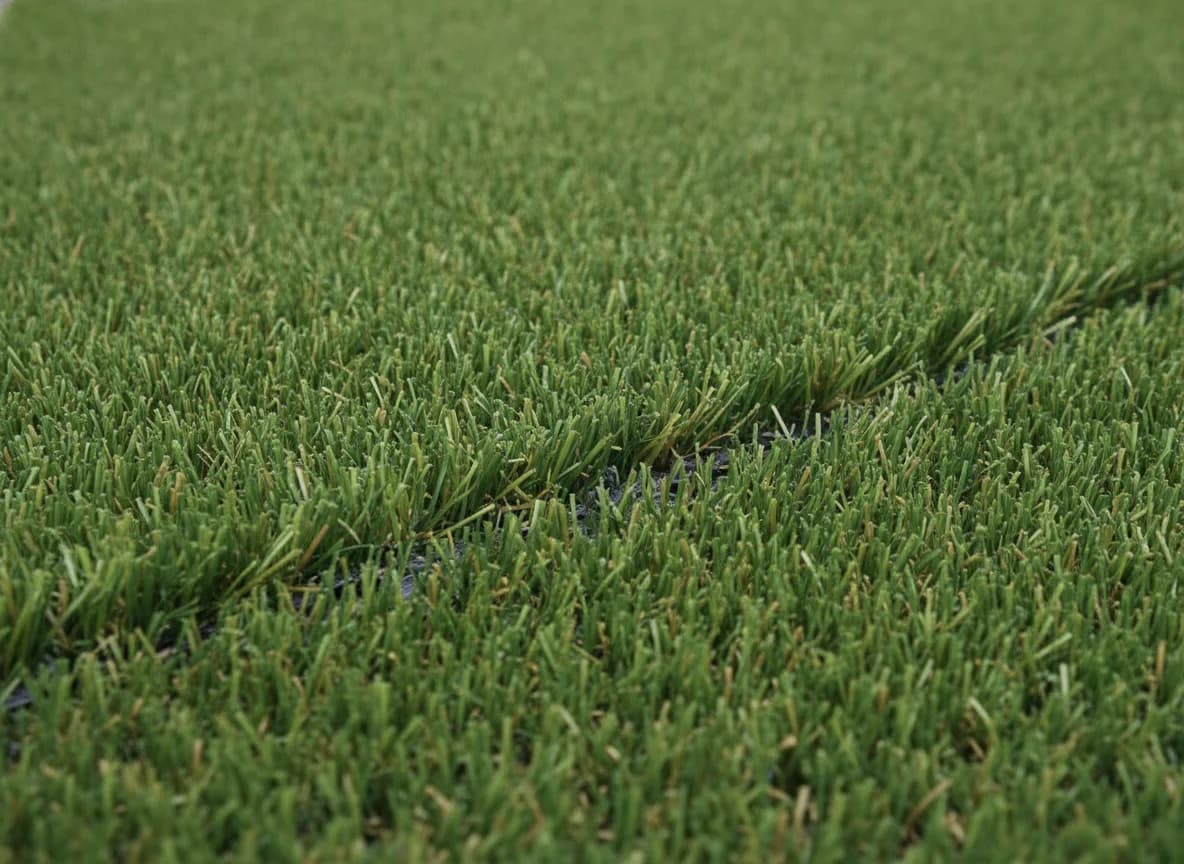
What infill actually does
Infill weighs down the backing so blades stay upright, improves drainage, and affects how soft or firm the surface feels. The right pounds per square foot depend on pile height, yarn type, and whether dogs or heavy furniture will load the turf.
There is no single “best” infill for every yard. Pet-heavy homes may prioritize antimicrobial or odor-reducing options; putting greens use different ball-roll infill than a front lawn.
Questions to ask your installer
Ask what infill is specified in your contract, how much will be installed, and whether top-offs are included in maintenance. Cheap jobs sometimes skip adequate infill, which leads to matting and poor drainage within a season or two.
Topper Turf specifies infill as part of every installation so performance matches warranty and use case—contact us for a detailed proposal.